
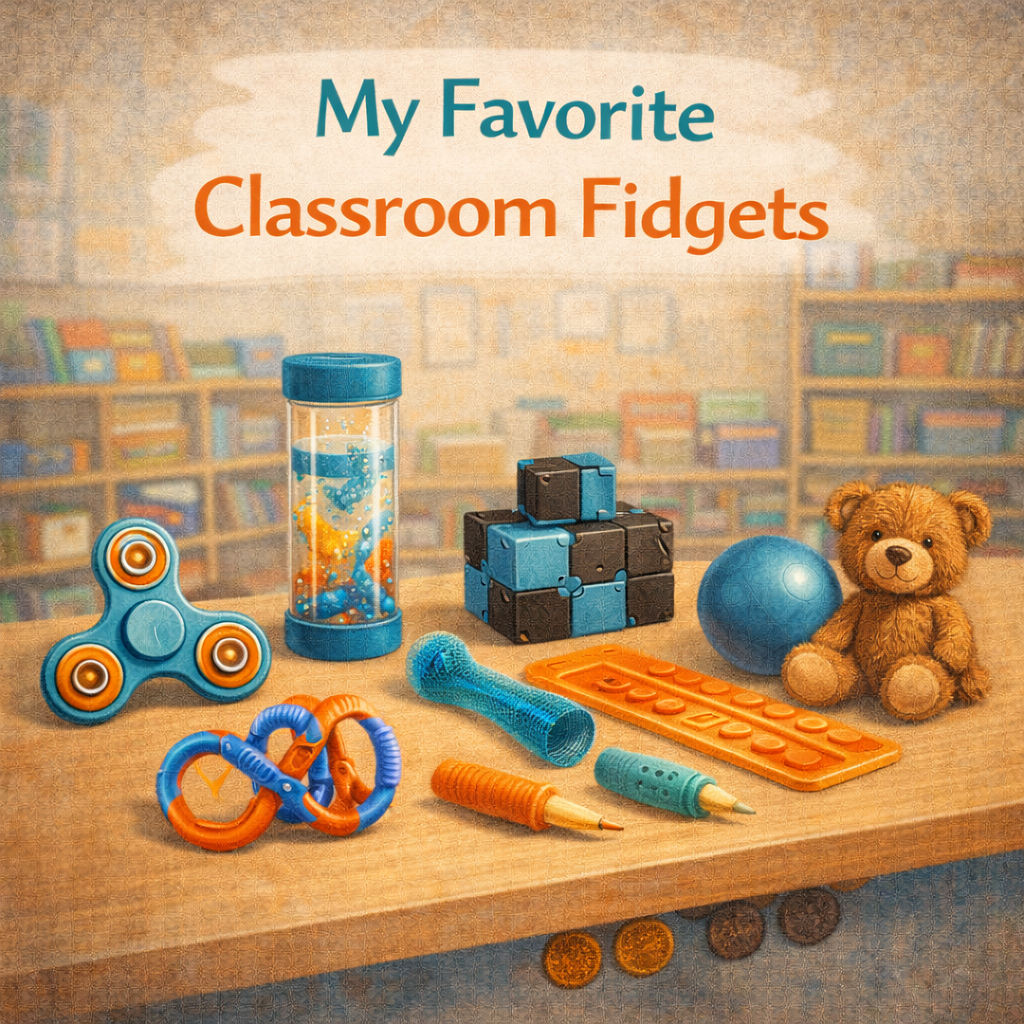
Fidgets can be powerful classroom tools when they are used intentionally. The goal is not just to keep hands busy. The goal is to help students regulate their bodies so their brains are ready for learning.
Over time, I have found that the best classroom fidgets are simple, durable, and predictable. They support movement or sensory input without becoming the main focus of attention. When students are taught how and when to use them, fidgets can be part of a strong independence and regulation system.
These are the fidgets I consistently recommend and use in real classroom settings.
What Makes a Fidget Work in a Real Classroom
The best classroom fidgets are quiet, durable, not visually distracting, easy to clean, and simple enough that they do not turn into toys. If a fidget lights up, makes noise, or feels like a game, it usually becomes a distraction instead of a support tool.
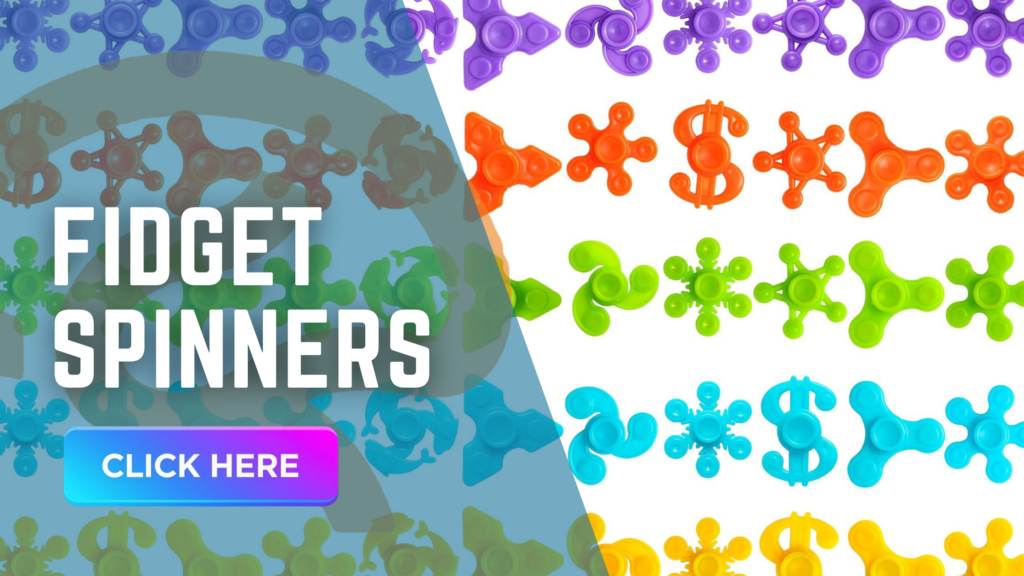
1. Fidget Spinners
Fidget spinners provide predictable, repetitive motion. The spinning movement can help students regulate while still allowing them to watch instruction or work on tasks.
Best for students who tap constantly, need visual and movement input, or benefit from quick regulation resets.
Choose simple designs without lights or other extra features and set clear expectations for use.
I find these smaller size spinners work well for smaller student sized hands and are also just fine for larger hands.
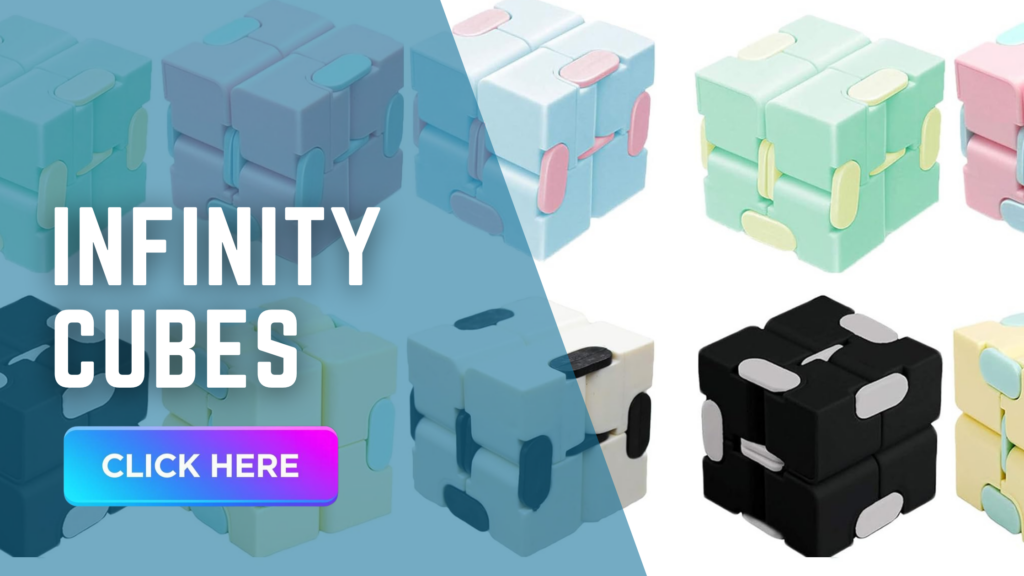
2. Infinity Cubes
Infinity cubes provide repetitive movement without drawing attention. They are quiet, compact, and easy to manage.
They work well for students who need continuous small movement, pick at materials or clothing, or benefit from rhythmic motion.
If your district has a robotics teacher or other classroom with a 3d printer, ask if they will make you a few infinity cubes and/or other fidgets. I’m really fortunate that my district has a great robotics program and has offered dozens of figets to me. I also have a personal 3d printer and have made a few at home as well. If you don’t have access to 3d prints, pick up a set that is linked below.
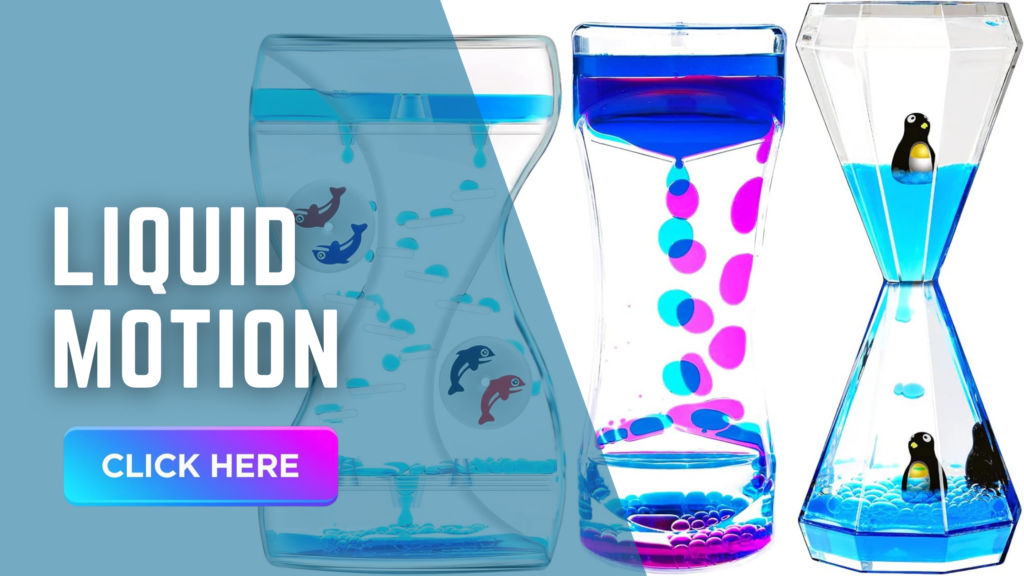
3. Liquid Motion Bottles
Liquid motion bottles provide strong visual calming input and are especially helpful during transitions or emotional regulation moments.
These work best as short reset tools rather than constant desk fidgets.
These aren’t technically in the fidget category, but very often get thrown in with them. I don’t allow this during work time, but they are great for calm down spaces and for early finishers.
4. Marble Mesh Tubes
Marble mesh tubes are simple, inexpensive, and predictable. The slide motion is calming for many students.
They work well for students who need repetitive hand motion or who get overwhelmed by complex fidgets.

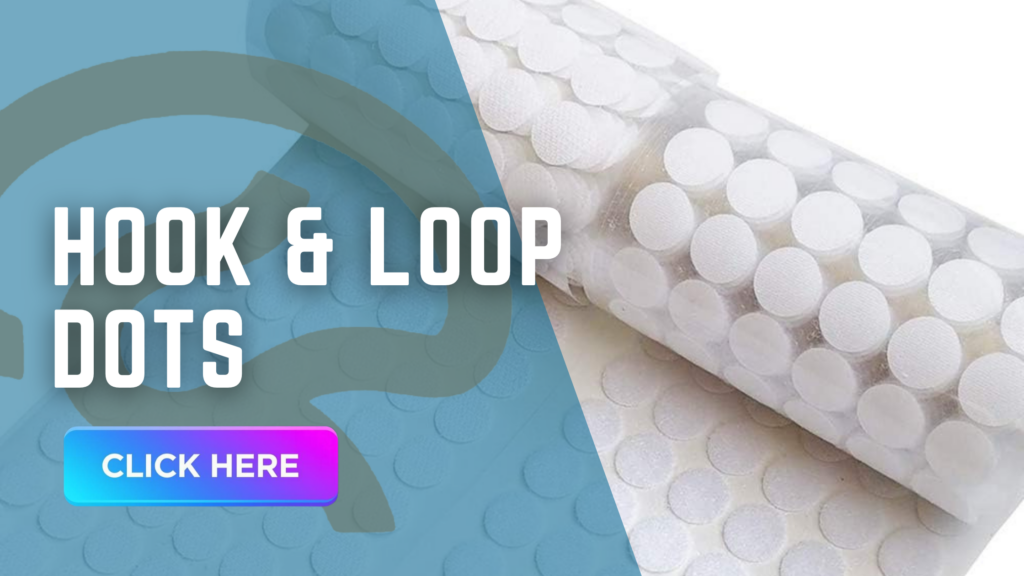
5. Velcro Dots Under Desks
Velcro dots are one of the most classroom-friendly options because they are nearly invisible and require almost no management once installed.
They help students who need constant sensory input or who lose fidgets easily.
Only use the soft loop side for these. The hook side can unexpectedly scratch students and ruin clothing. I usually attach 2 or 3 of these to the underside of a desk or table so the student can rub them with their thumb or index finger.
6. Simple Stress Balls (no liquid filled)
Stress balls provide squeeze resistance without mess when you choose durable versions.
They work well for students who need hand pressure input or grounding during difficult tasks.
Avoid liquid or foam filled that can pop. I learned this one the hard way. A student brought in a foam filled stress ball one day and I soon realized that I was allergic to it’s latex outer portion. As the student fidgeted with the item, it popped and I soon realized he was allergic to the foam that covered his hands, clothes, and a bit of his face. I got him cleaned up and to the nurse. Thankfully the reaction was mild and his skin cleared up pretty quickly, but I definitely do not allow those in my classroom any longer.
I do like these golbe stress balls. The ones I recieved do have some misprints, but I have used these to show students where countries are and compair maps to globes more than once.

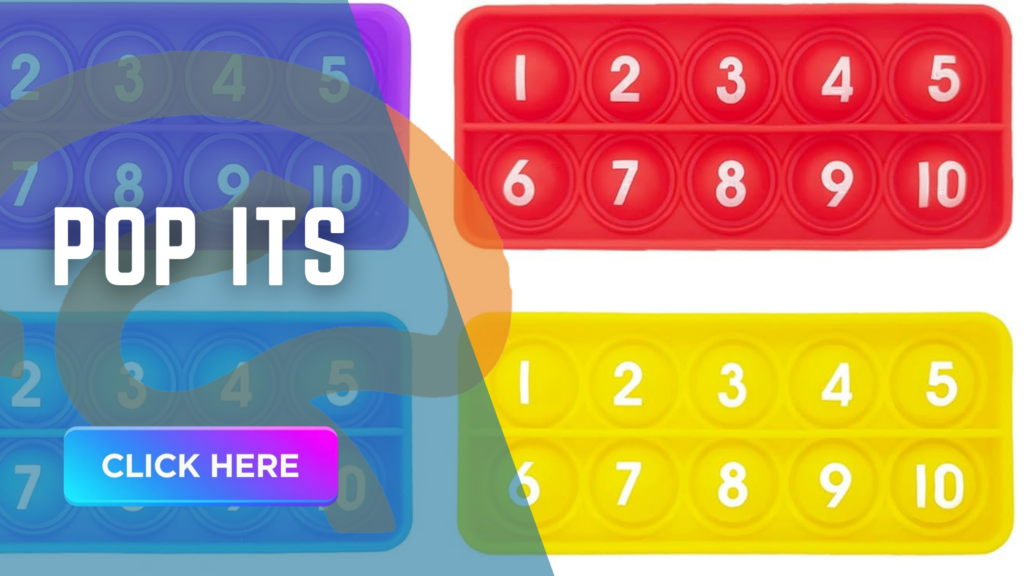
7. Pop its
I really like the 10 frame style of pop its. They are big enough for whole hand stimulation, but small enough to not be a distraction. I also like they can be used to learn simple math concepts.
They work well for students who need repetitive tactile input.
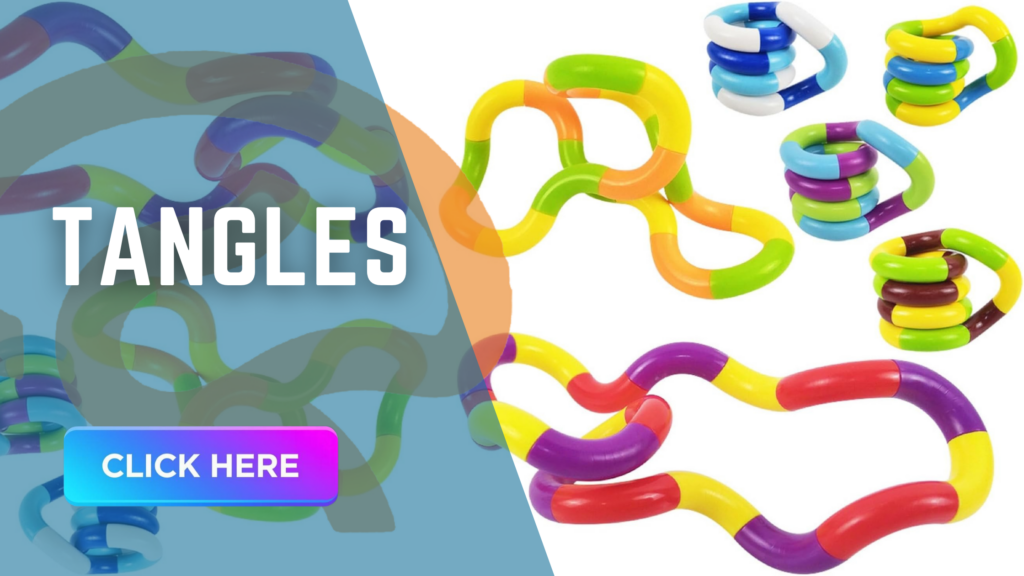
8. Tangle Toys
Tangles allow continuous movement without a lot of visual distraction. They are quiet and easy for students to use during instruction.
They work well for students who tap, pick, or need constant small movement.
Choose simple versions instead of spiky or highly textured styles.
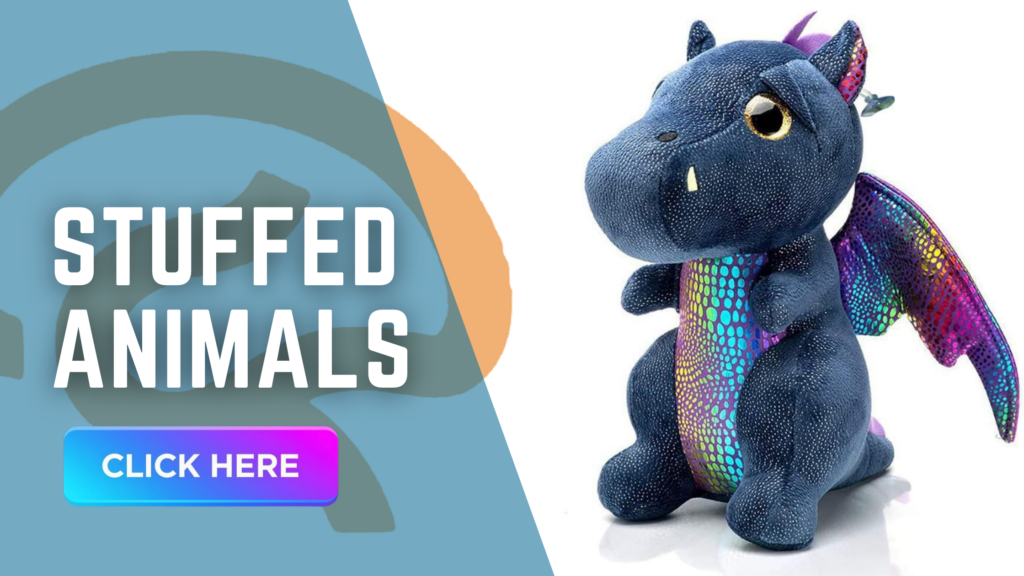
9. Stuffed Animals (Regulation Comfort Items)
I have a basket of “cuddle dragons” in my room. Their skin, wings, and horns are all different textures so they provide soothing for students who benefit from deep pressure or comfort holding and students that are sensory seeking. I couldn’t find my exact dragons, but these are kind of close.
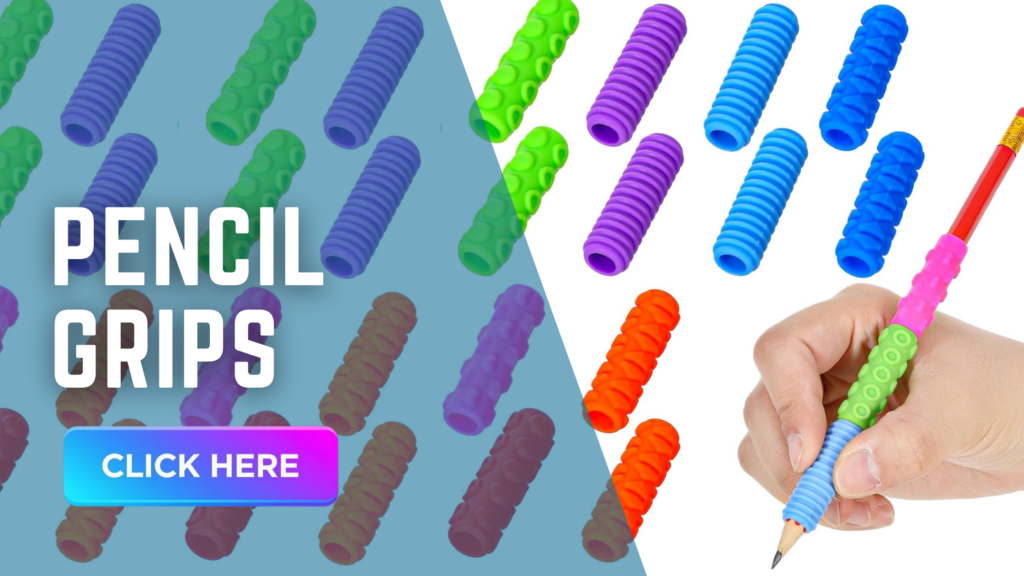
10. Textured Pencil Grips
Textured pencil grips support fine motor control while also providing subtle sensory input.
They work well for students who chew pencils, grip pencils too tightly, or need subtle tactile input during writing tasks.
Choose simple textures and avoid large novelty grips.
How I Introduce Fidgets in the Classroom
I do not hand out fidgets randomly. Students are taught when they can use them, how they should use them, where they stay, and what happens if they become distracting.
This turns fidgets into tools instead of toys and helps students learn self-regulation skills.
When Fidgets Do Not Help
Fidgets usually fail when students are not taught how to use them, when there are too many choices, when they are used as rewards, or when they are introduced during high excitement moments.
Structure always matters more than the fidget itself.
A Tool, a Privilege, Not a Right
Fidgets are tools, not toys, and in my classroom they are treated as a privilege, not a right. They are there to help students access learning, which means they come with expectations. Students are taught that fidgets should help them focus, stay at their workspace, be used quietly, and never distract others. We practice what appropriate use looks like before students ever have independent access to them so there is no confusion about purpose.
I am not afraid to take a fidget away if it stops supporting learning. That is not a punishment — it is part of teaching students how to use tools responsibly. If a fidget becomes a toy, distracts others, or takes attention away from the task, I simply remove it and explain why. When students show they are ready to use it correctly, they can try again. Clear, consistent boundaries help students understand that fidgets are part of learning, not entertainment, and the goal is always helping them build independence.
Final Thoughts
The right fidget does not entertain students. It supports regulation. When students are regulated, they can focus longer, work more independently, and feel more confident in the classroom.
The best fidgets are often the ones students forget they are even using.
This post includes affiliate links.